
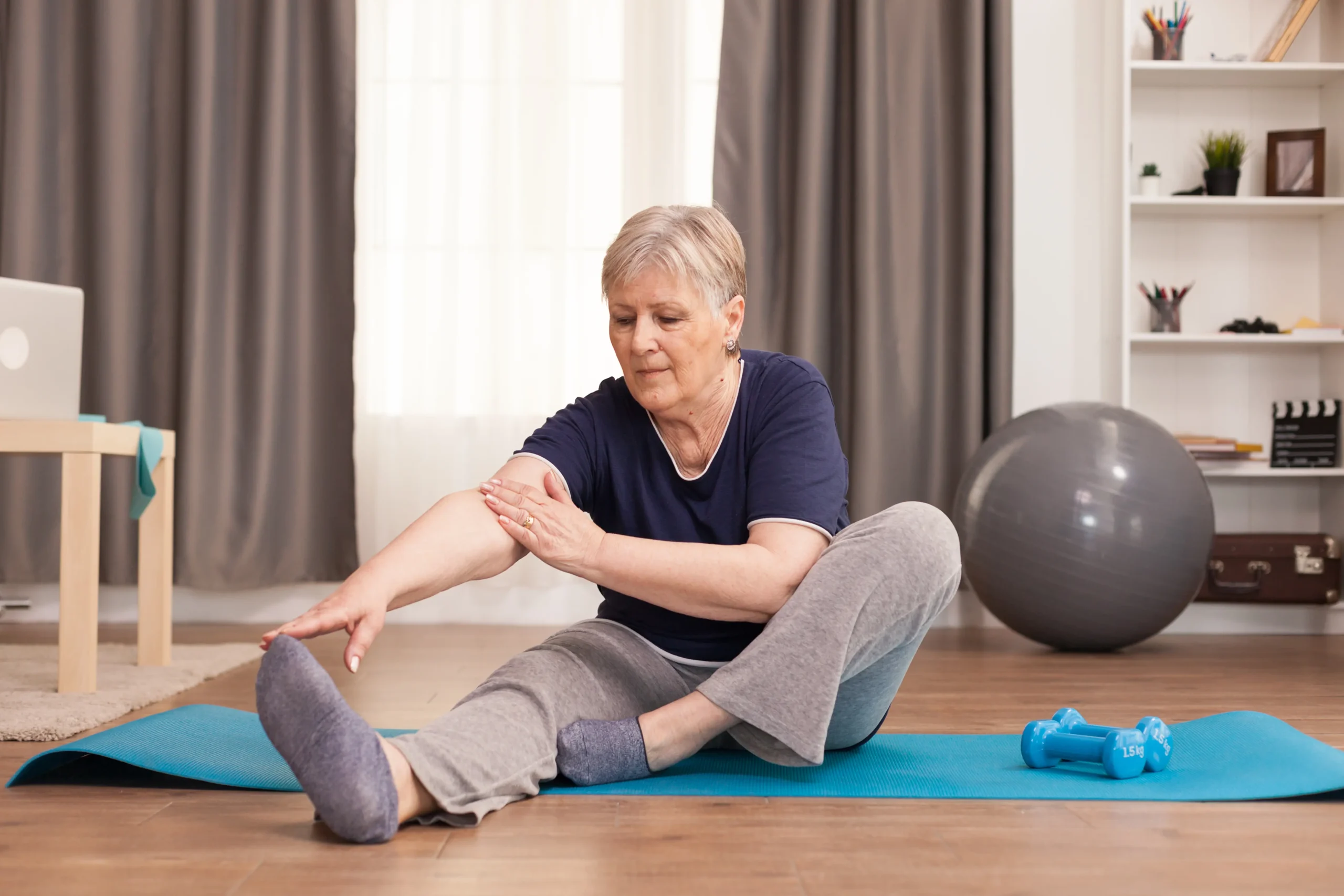
Bone health becomes increasingly important as women approach and move beyond the age of 40. Bone density can gradually decline with age, and hormonal changes later in life can further influence bone strength. Osteoporosis can develop silently because many people do not experience noticeable symptoms until a fracture occurs. Taking preventive measures early can therefore be an important part of maintaining mobility, independence, and overall musculoskeletal health.
A balanced diet is one of the foundations of healthy bones. Calcium is essential for maintaining bone structure, while vitamin D helps the body absorb calcium effectively. Women should discuss their individual nutritional requirements with a qualified healthcare professional and include appropriate sources of calcium and vitamin D in their diet. Depending on individual circumstances, a doctor may also recommend supplementation.
Regular physical activity is another important component of bone health. Weight-bearing activities and resistance exercises can help support bone and muscle strength. Walking, strength training, stair climbing, and appropriately designed exercise programmes may be beneficial for many individuals. However, women with existing bone weakness, previous fractures, significant joint problems, or other medical conditions should seek professional advice before starting a new exercise programme.
Maintaining a healthy lifestyle can also contribute to long-term bone health. Avoiding smoking, limiting excessive alcohol consumption, maintaining a healthy body weight, and getting adequate sleep can support overall musculoskeletal wellbeing. Fall prevention is particularly important for older adults because falls can result in fractures, especially when bone density is reduced.
Women with risk factors for osteoporosis should discuss bone health screening with their healthcare provider. Factors such as increasing age, family history, previous fractures, low body weight, certain medications, and hormonal changes can influence osteoporosis risk. Depending on individual risk, a doctor may recommend a bone mineral density assessment to evaluate bone strength.
Women in Guntur looking for professional orthopedic guidance can consult Dr Sivaiah Potla for evaluation of orthopedic and musculoskeletal concerns. When searching for the best orthopedic surgeon in Guntur, patients should consider the specialist’s qualifications, clinical experience, approach to patient assessment, and availability of appropriate diagnostic and treatment facilities. Early evaluation can be particularly valuable when a woman has persistent joint pain, recurrent falls, fractures, or concerns regarding bone health.
Strong bones are supported by consistent habits rather than a single intervention. A nutritious diet, regular exercise, appropriate medical screening, and timely professional advice can help women take proactive steps toward maintaining bone health as they age. If there are concerns about osteoporosis or fracture risk, consulting an orthopedic specialist can help determine the appropriate evaluation and preventive strategy.
