
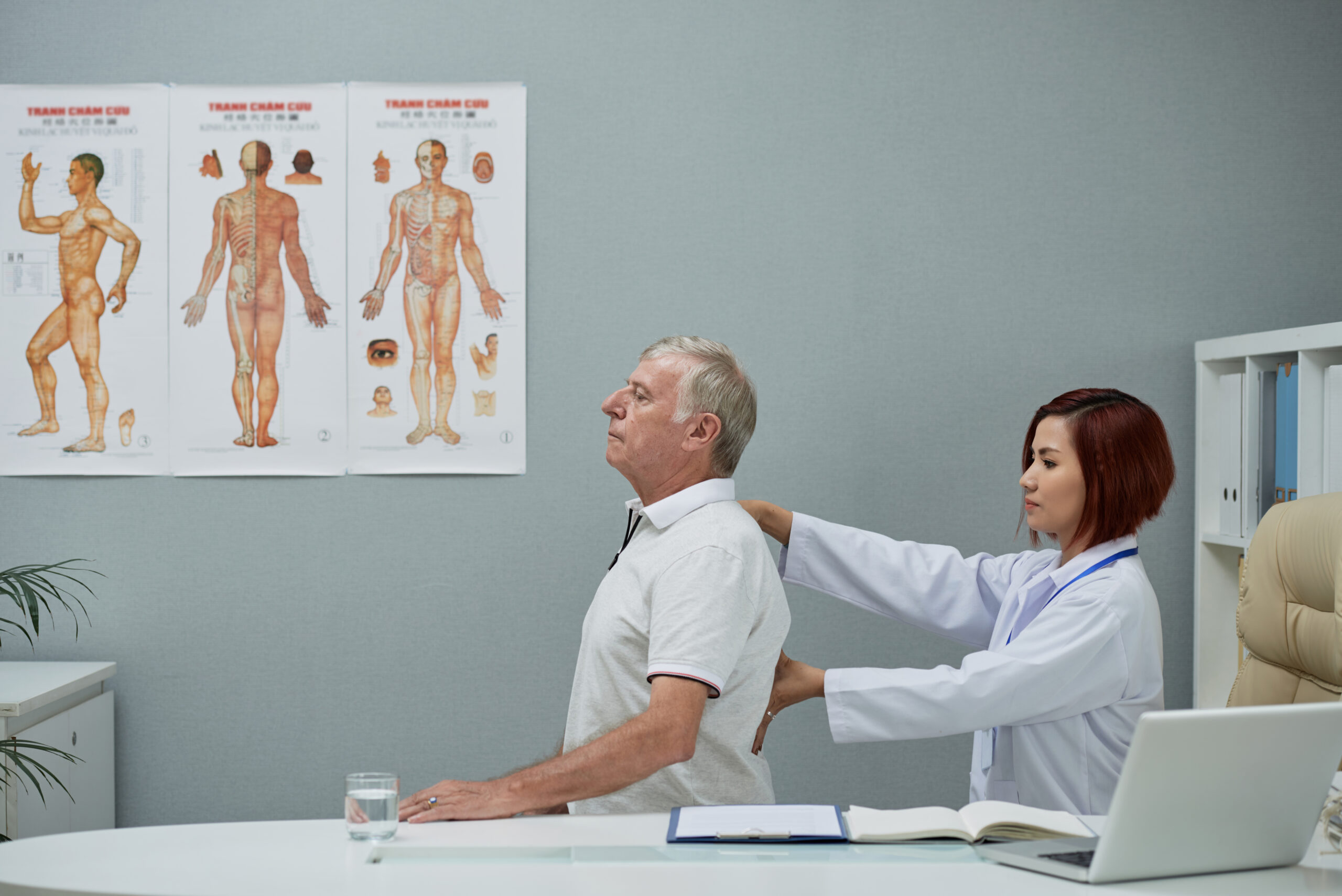
Lower back pain is one of the most common musculoskeletal problems and can affect people across different age groups. While many episodes of back pain improve with appropriate conservative treatment, chronic or recurring pain may require a detailed medical evaluation. The underlying cause can vary considerably, ranging from muscle strain and poor posture to degenerative disc disease, spinal stenosis, disc problems, or other orthopedic and spinal conditions. Identifying the cause is therefore an important first step toward effective treatment.
Non-surgical treatment is often considered the initial approach for many patients with lower back pain. Depending on the diagnosis, treatment may include physiotherapy, strengthening exercises, posture correction, activity modification, medication, weight management, and other conservative measures. Physiotherapy can help improve flexibility, strengthen supporting muscles, and restore functional movement. Patients should follow an exercise programme recommended by a qualified healthcare professional rather than continuing activities that worsen their symptoms.
Lifestyle factors can also influence chronic back pain. Maintaining a healthy body weight, avoiding prolonged periods in one position, using appropriate ergonomics while working, and maintaining regular physical activity can support spinal health. Patients who spend many hours sitting should pay attention to their sitting position and take regular movement breaks. However, persistent pain should not simply be attributed to lifestyle without appropriate medical assessment.
Surgery may be considered when conservative treatment has not provided adequate relief and there is a clearly identified structural problem that may benefit from surgical intervention. Certain symptoms, such as progressive neurological problems, significant weakness, or bowel or bladder changes, require prompt medical assessment. The decision to undergo spinal surgery depends on several factors, including the underlying diagnosis, severity of symptoms, imaging findings, functional limitations, and response to previous treatment.
Patients looking for the best orthopedic surgeon in Guntur for persistent back or musculoskeletal problems should seek a specialist who takes a comprehensive approach to diagnosis and treatment. Dr Sivaiah Potla provides orthopedic consultation and can assess patients experiencing musculoskeletal and joint-related conditions. A detailed evaluation can help determine whether symptoms are more appropriate for conservative management or whether further specialist assessment is required.
It is important to remember that surgery is not automatically the next step when back pain persists. In many cases, an appropriately designed non-surgical treatment programme can help patients manage symptoms and improve function. When surgery is indicated, patients should have a clear discussion with their orthopedic specialist regarding the proposed procedure, expected recovery, potential risks, alternatives, and realistic outcomes.
