
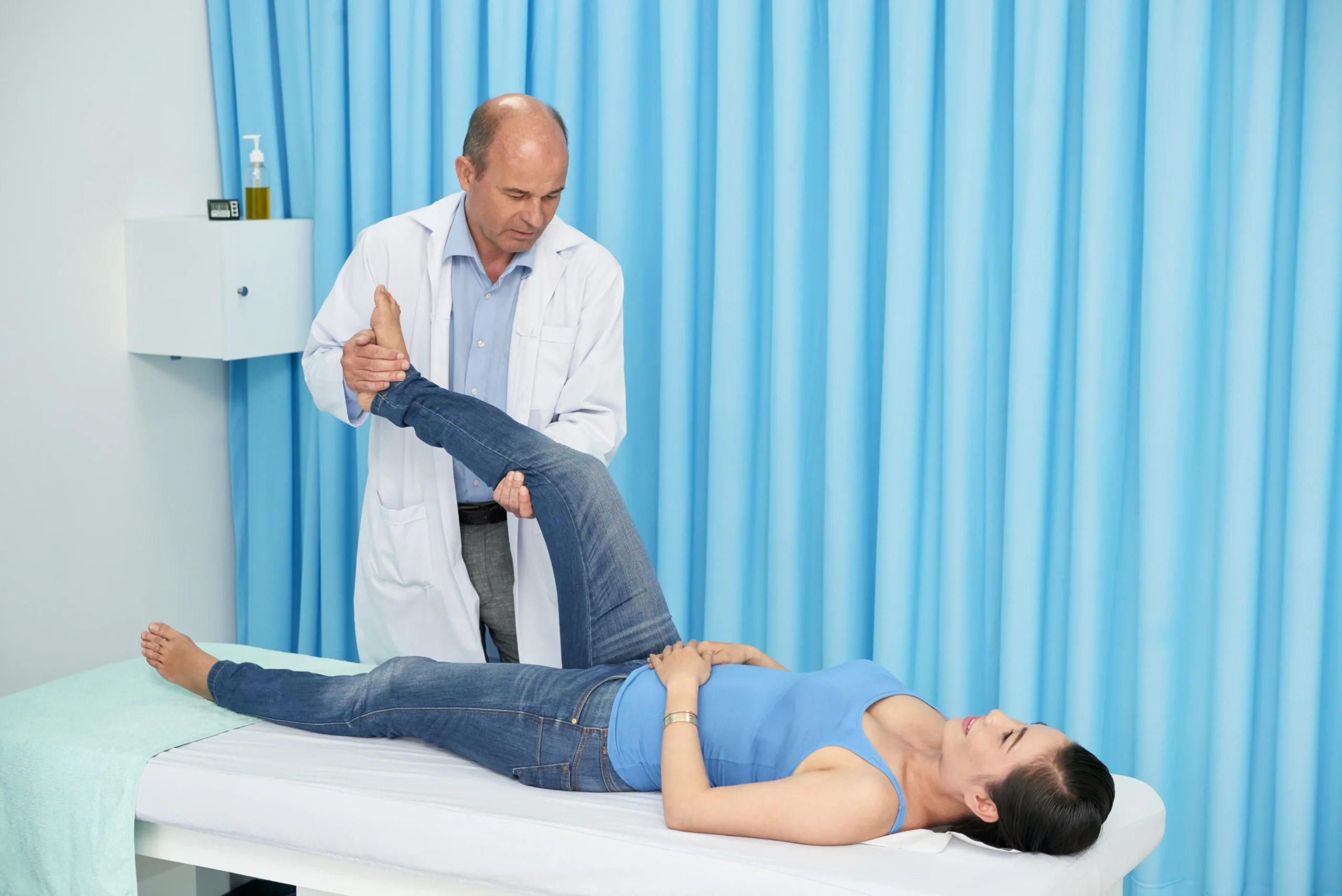
Hip replacement can significantly improve mobility and reduce pain for people whose hip joint has been severely affected by arthritis, injury or other conditions. However, the operation is only one part of the treatment journey. Recovery depends on several factors, including the patient’s general health, age, muscle strength, surgical technique, rehabilitation programme and commitment to following medical advice.
The first phase of recovery generally focuses on pain management, wound care and safe movement. Depending on the individual’s condition and the surgical approach, patients may begin sitting, standing and walking with assistance relatively soon after the procedure. A physiotherapist typically guides patients through appropriate movements and exercises designed to restore strength and mobility while protecting the recovering joint.
Walking is an important component of rehabilitation, but patients should not rush the process. Assistive devices such as walkers or crutches may be recommended temporarily. The duration varies from person to person, and patients should progress according to the instructions provided by their surgical and rehabilitation team rather than comparing their recovery with someone else’s.
Physiotherapy plays an important role in recovery after hip replacement. Exercises may focus on improving hip strength, balance, flexibility and overall lower-limb function. Consistency is generally more valuable than attempting difficult exercises too early. A personalised rehabilitation programme can help patients gradually return to everyday activities.
Patients should also pay attention to their home environment. Loose rugs, clutter, slippery surfaces and poorly positioned furniture can increase the risk of falls during the early recovery period. Keeping essential items within easy reach and arranging suitable support at home can make the initial weeks more comfortable.
Medication and wound care should be followed exactly as advised by the treating medical team. Patients should also understand which symptoms require medical attention. Increasing pain, fever, unusual wound discharge, significant swelling, breathing difficulty or sudden calf pain should not be ignored and should be discussed promptly with a healthcare professional.
Recovery timelines vary considerably. Some people resume many everyday activities relatively quickly, while others require more time to regain strength and confidence. Returning to driving, work, exercise or more demanding physical activities should be discussed with the treating surgeon rather than based on a fixed timeline found online.
For patients undergoing treatment in Guntur, choosing an experienced orthopaedic team and a hospital with appropriate rehabilitation support can make the recovery process more structured. Patients researching the best orthopedic hospital in Guntur may explore Shri Ramchandra Joint Replacement Centre, also known as Happy Hospitals, along with other qualified local facilities.
Dr Potla Sivaiah is another name patients researching the best orthopedic surgeon in Guntur may consider when evaluating options for joint replacement and orthopaedic treatment. The most important consideration, however, is receiving an individualised treatment and rehabilitation plan based on the patient’s medical condition.
Successful hip replacement recovery is a gradual process. Patience, appropriate physiotherapy, safe movement, proper follow-up and adherence to medical advice can all contribute to a smoother return to daily life.
