
Robotic-assisted knee replacement has transformed modern orthopedic surgery by improving surgical precision and helping surgeons execute individualized treatment plans. Although robotic technology offers numerous advantages, successful outcomes depend far more on clinical judgment, meticulous planning, and surgical expertise than on the technology itself. The robot serves as an advanced surgical tool rather than a replacement for surgical decision-making.
The foundation of every successful robotic knee replacement begins with careful patient selection. Not every patient with knee arthritis is an ideal candidate for surgery, and not every patient requiring surgery necessarily benefits from robotic assistance. Comprehensive clinical evaluation, detailed imaging, and discussion of patient expectations remain essential components of responsible surgical planning.
Preoperative planning represents another critical best practice. Modern robotic systems create three-dimensional models of the patient’s anatomy, allowing surgeons to determine implant positioning, bone cuts, and alignment before entering the operating room. This level of planning reduces variability while helping preserve healthy bone and soft tissue whenever possible.
Equally important is soft tissue balancing during surgery. While robotic technology provides accurate measurements, achieving balanced ligaments throughout the knee’s range of motion still depends on the surgeon’s experience and intraoperative judgment. Proper ligament balance contributes significantly to postoperative comfort, stability, and functional outcomes.
Maintaining strict infection prevention protocols remains essential regardless of technological advances. Appropriate sterilization procedures, perioperative antibiotics, careful wound management, and standardized rehabilitation protocols continue to influence recovery as much as surgical precision itself.
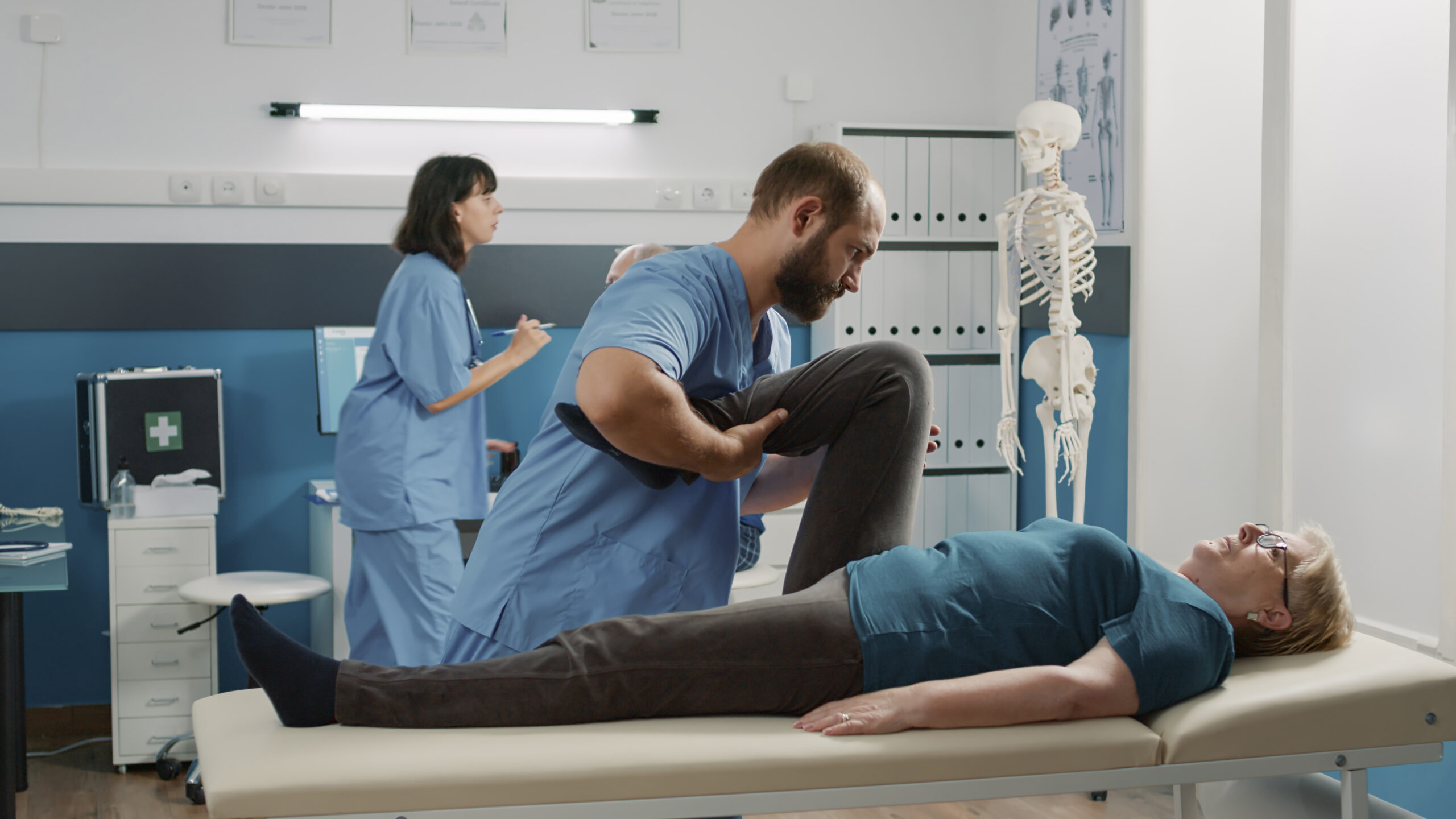
Postoperative rehabilitation should begin early and be tailored to each patient’s age, strength, and functional goals. Structured physiotherapy helps restore mobility, improve muscle strength, reduce stiffness, and accelerate return to daily activities. Long-term success depends on both surgical accuracy and patient participation in rehabilitation.
According to Best Orthopedic Surgeon in India Dr Potla Sivaiah, robotic knee replacement should be viewed as an evolution in orthopedic surgery rather than a guarantee of superior outcomes. The combination of sound clinical judgment, evidence-based surgical practice, advanced technology, and comprehensive rehabilitation offers patients the greatest opportunity for durable pain relief and improved quality of life. When these best practices are consistently followed, robotic-assisted knee replacement has the potential to deliver highly predictable and patient-centered results.
