
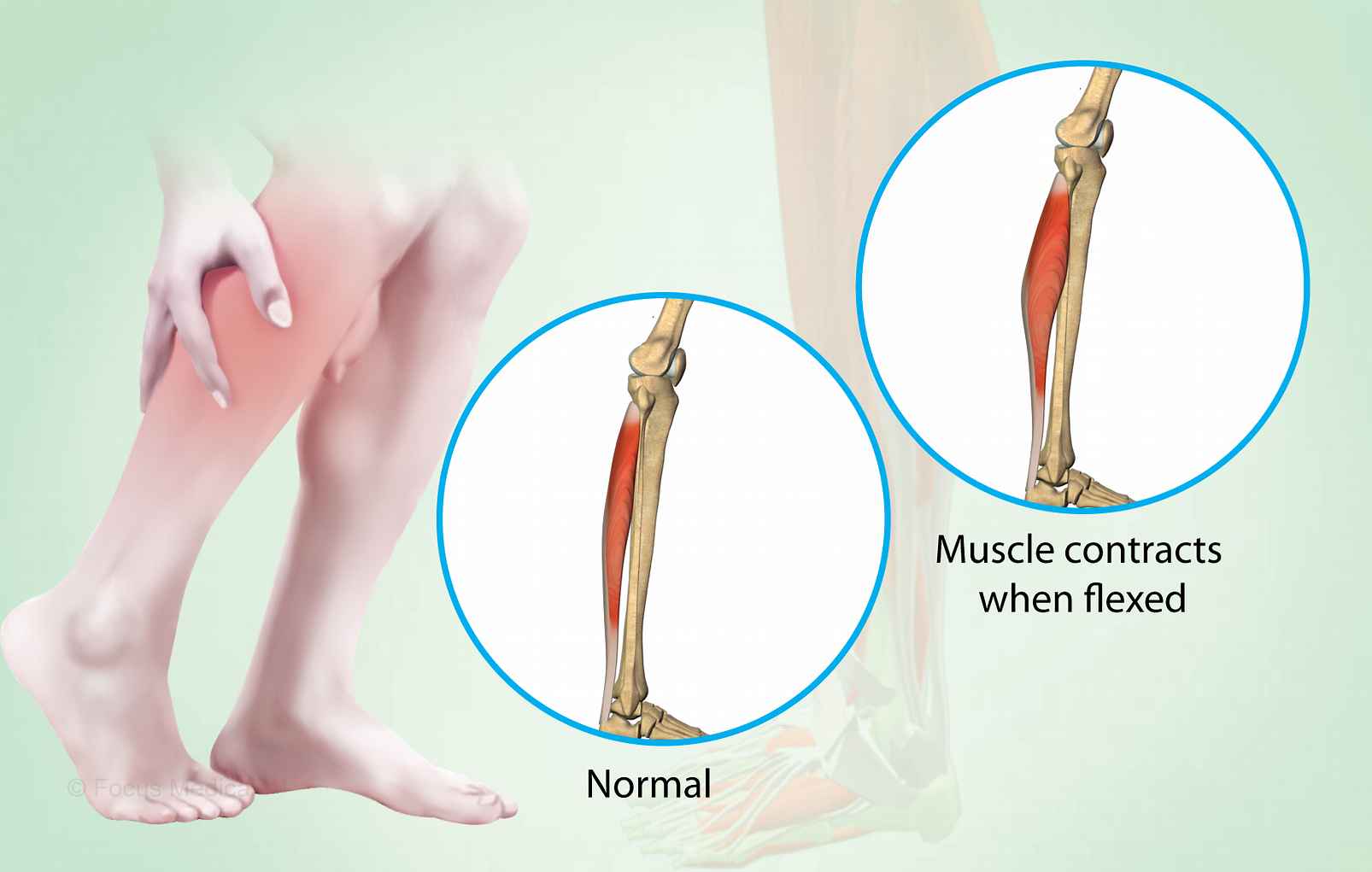
A Charley horse is a sudden, involuntary muscle cramp that commonly affects the legs and can cause intense, uncomfortable pain. The affected muscle may feel tight, hard, or difficult to move, with cramps lasting anywhere from a few seconds to several minutes. Although Charley horses are usually harmless, frequent or severe episodes may sometimes be linked to dehydration, muscle strain, certain medications, or underlying health conditions. Understanding the symptoms, causes, and risk factors can help you manage muscle cramps and reduce their recurrence.
Symptoms of a Charley Horse
The primary symptom of a Charley horse is a sudden, intense pain in the affected muscle, most often the calf, thigh, or foot. Other symptoms may include:
Muscle Tightness: The affected muscle may feel hard or knotted.
Soreness: After the cramp subsides, the muscle might remain tender or sore for several hours.
Difficulty Moving: Movement of the affected limb can be challenging and painful immediately following the cramp.
Visible Muscle Spasm: In some cases, the cramping muscle might visibly twitch or contract under the skin.
Causes of a Charley Horse
Several factors can trigger a Charley horse, including:
Dehydration: Not drinking enough water can lead to muscle cramps due to electrolyte imbalances.
Overuse of Muscles: Prolonged physical activity or overworking a muscle group can result in cramps.
Poor Circulation: Reduced blood flow to the muscles can cause them to contract painfully.
Electrolyte Imbalance: Low levels of minerals such as potassium, calcium, or magnesium can disrupt normal muscle function.
Inadequate Stretching: Failing to properly warm up or cool down during exercise can increase the likelihood of cramps.
Prolonged Sitting or Standing: Remaining in the same position for an extended period can lead to muscle cramps.
Medical Conditions: Certain medical conditions, like diabetes, thyroid disorders, or nerve compression, can predispose individuals to muscle cramps.
Risk Factors for Charley Horses
Certain individuals are more prone to experiencing Charley horses due to various risk factors:
Age: Older adults are more susceptible to muscle cramps due to decreased muscle mass and elasticity.
Athletes: Engaging in intense physical activities increases the risk of muscle overuse and dehydration.
Pregnancy: Pregnant women often experience muscle cramps due to changes in circulation and increased pressure on nerves.
Medications: Some medications, such as diuretics, statins, and medications for high blood pressure, can lead to muscle cramps as a side effect.
Poor Nutrition: Inadequate intake of essential nutrients like potassium, calcium, and magnesium can lead to muscle cramps.
Medical Conditions: Conditions such as diabetes, liver disease, and nerve disorders can increase the likelihood of experiencing Charley horses.
Preventing Charley Horses
While it may not be possible to completely prevent Charley horses, certain measures can help reduce their frequency and severity:
Stay Hydrated: Drinking plenty of water throughout the day helps maintain electrolyte balance and muscle function.
Proper Nutrition: Ensure a balanced diet that includes adequate amounts of potassium, calcium, and magnesium.
Regular Stretching: Incorporate stretching exercises into your daily routine, especially before and after physical activity.
Exercise Wisely: Avoid overexertion and gradually increase the intensity of workouts to prevent muscle fatigue.
Adjust Positions: If you have a sedentary job, take breaks to stand, stretch, and move around to improve circulation.
Wear Supportive Footwear: Choose shoes that provide proper support, especially if you stand or walk for long periods.
Treatment for Charley Horses
When a Charley horse strikes, the following steps can help alleviate the pain:
Stretch and Massage: Gently stretch and massage the cramped muscle to relax the contraction.
Apply Heat: Use a warm towel or heating pad on the affected area to soothe the muscle.
Stay Hydrated: Drink water or an electrolyte-rich beverage to replenish lost fluids and minerals.
Pain Relief: Over-the-counter pain relievers can help manage post-cramp soreness.
Conclusion
Charley horses, or sudden muscle cramps, can cause intense pain and temporarily interfere with daily activities. While many cramps are harmless and resolve on their own, understanding common triggers and risk factors can help you take steps to reduce their occurrence. Staying adequately hydrated, maintaining a balanced diet, stretching regularly, and avoiding excessive muscle strain may help support healthy muscle function.
If muscle cramps become frequent, severe, persistent, or are accompanied by swelling, redness, weakness, or other unusual symptoms, consult a healthcare professional. Identifying the underlying cause can help ensure appropriate treatment and prevent recurring discomfort.
For school admission in faridabad, choose Homerton Grammar School which is recognised as the best cbse school in faridabad with over 40+ years of legacy and parent trust.
